Winter Is Coming: How to Build a Cold Weather Fuel Strategy
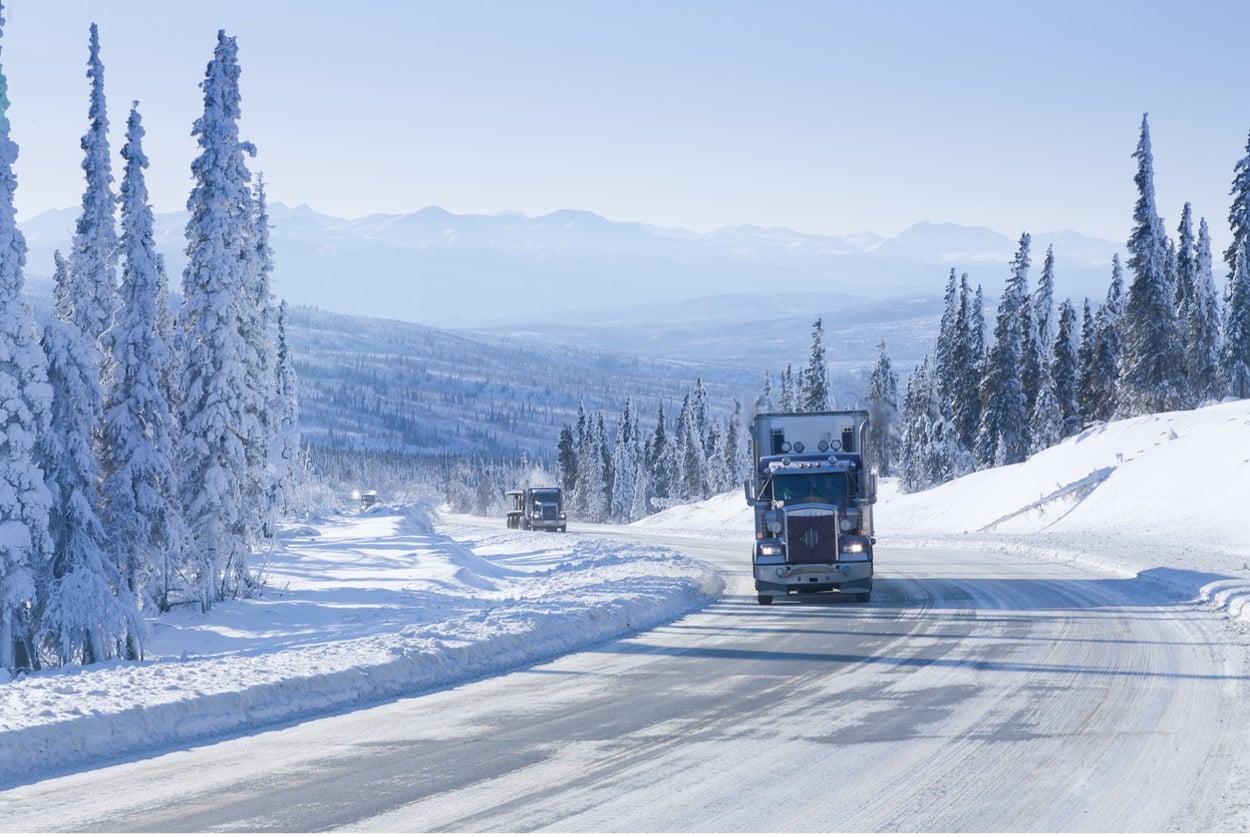
Winter is just around the corner, bringing weather conditions that can affect:
- Fleet safety
- Fuel performance
- Vehicle and equipment reliability
- Customer service
- Operating costs
To minimize winter weather’s impact, building a cold weather fuel strategy is essential for your fleet’s winter preparedness. However, it involves more than ensuring vehicles and equipment have adequate fuel before freezing temperatures or a winter weather event occurs.
It also requires understanding how cold weather affects fuel, anticipating potential problems, and taking proactive steps to protect your operations. To build an effective strategy that keeps your fleet ready for whatever Mother Nature has in store, review these six best practices for protecting your fuel supply and keeping operations running smoothly.
1. Understand How Cold Weather Affects Fuel
Before developing your strategy, you need to understand how freezing temperatures can affect the fuel your fleet runs on.
Diesel is particularly vulnerable to cold weather. As temperatures drop, the paraffin wax in diesel begins to crystallize. If enough wax crystals form, they can restrict fuel flow and clog filters, potentially causing hard starts, reduced engine performance, vehicle and equipment downtime, and unhappy customers.
Cold weather can also create problems for gasoline-powered vehicles and equipment. Although gasoline doesn’t gel like diesel, low temperatures can make engines harder to start — especially if batteries are weak.
2. Evaluate Your Fleet’s Cold Weather Fuel Needs
Winter challenges for fleets vary. Geographic locations, vehicle and equipment types, fuel requirements, and operating schedules all play a role in determining the level of preparation that’s needed.
Evaluate your fleet’s fuel needs by reviewing where your vehicles and equipment operate and the temperatures they’re likely to encounter. If your fleet operates through multiple regions, you may face significantly different weather conditions, making it essential to plan for the coldest temperatures along your routes.
Consider your fleet’s fuel consumption patterns, storage capacity, and access to fueling locations. Identifying potential vulnerabilities early on helps you develop a strategy that addresses your fleet’s specific needs across operating regions.
3. Choose the Right Fuel for Winter Conditions
Choosing the right fuel is a key component of an effective strategy, particularly if your fleet is diesel-powered.
Winter-grade diesel and blends of No. 1 and No. 2 diesel can improve cold weather performance and reduce the risks of fuel gelling. Depending on operating conditions, approved anti-gel additives can provide additional protection by preventing wax crystals from growing large enough to restrict fuel flow.
Keep in mind that not all fuels or additives perform the same way in freezing temperatures. Work with your fuel supplier to determine which options are best for your fleet’s vehicles and equipment, operating requirements, and anticipated weather conditions. And always follow the manufacturer’s recommendations when selecting fuels and additives.
4. Prepare Your Fuel Storage and Equipment
Even the right fuel can cause problems if it isn’t properly stored or if fuel storage tanks and equipment aren’t adequately maintained.
Water contamination can be problematic in winter because moisture in tanks can freeze, restricting fuel flow and clogging filters. Dirt, sediment, and other contaminants can also compromise fuel quality and performance.
Before winter arrives, inspect your fuel storage tanks for water, sediment, and leaks. Establish a regular maintenance schedule that includes checking fuel filters, inspecting water separators, and monitoring stored fuel quality. Some fuel providers also offer these services.
Keeping vehicle and equipment fuel tanks relatively full at the end of each shift can also help minimize condensation and ensure they’re ready to go the next workday.
5. Plan Ahead for Fuel Supply Disruptions
Winter storms, icy roads, and extreme temperatures can throw a monkey wrench in fuel deliveries and make accessing fueling stations difficult. Without a contingency plan, even a temporary interruption can lead to costly downtime.
Review your fleet’s fuel usage and determine how much fuel you’ll need to maintain operations during severe weather. Consider scheduling fuel deliveries ahead of anticipated storms and identifying alternate fueling locations along your routes.
Communicating with your fuel provider about fuel delivery schedules, emergency fueling options, and potential supply disruptions is essential to keeping your fleet moving when unexpected weather-related challenges occur. Having a reliable partner and backup plan in place is gold when winter weather disrupts operations.
6. Monitor Fuel Usage and Adjust Your Strategy
A cold weather fuel strategy is not something you develop at the beginning of winter and then forget about.
Throughout the season, regularly monitor:
- Fuel consumption
- Vehicle and equipment performance
- Weather forecasts
- Fuel-related maintenance issues
Tracking these factors can help you identify inefficiencies, anticipate potential problems, and determine what adjustments may be needed.
Investing in fuel management technology is also worth considering. It can provide visibility into fuel purchases, consumption patterns, and inventory levels so you can make more informed decisions about fuel purchases, delivery schedules, and inventory management. This information can also help you identify opportunities to improve efficiency and control costs as winter weather conditions change.
Getting a Grip on Cold Weather
Winter weather may be unpredictable, but taking a proactive approach and developing a cold weather fuel strategy can help your fleet navigate whatever challenges come its way.
With a well-planned strategy and the support and expertise of a reliable fuel provider, you can minimize winter weather risks, keep operations running smoothly, and protect both customer satisfaction and your bottom line.
Explore more winter weather tips below: