Fleet Electrification: What It Means for Fuel Management Strategies
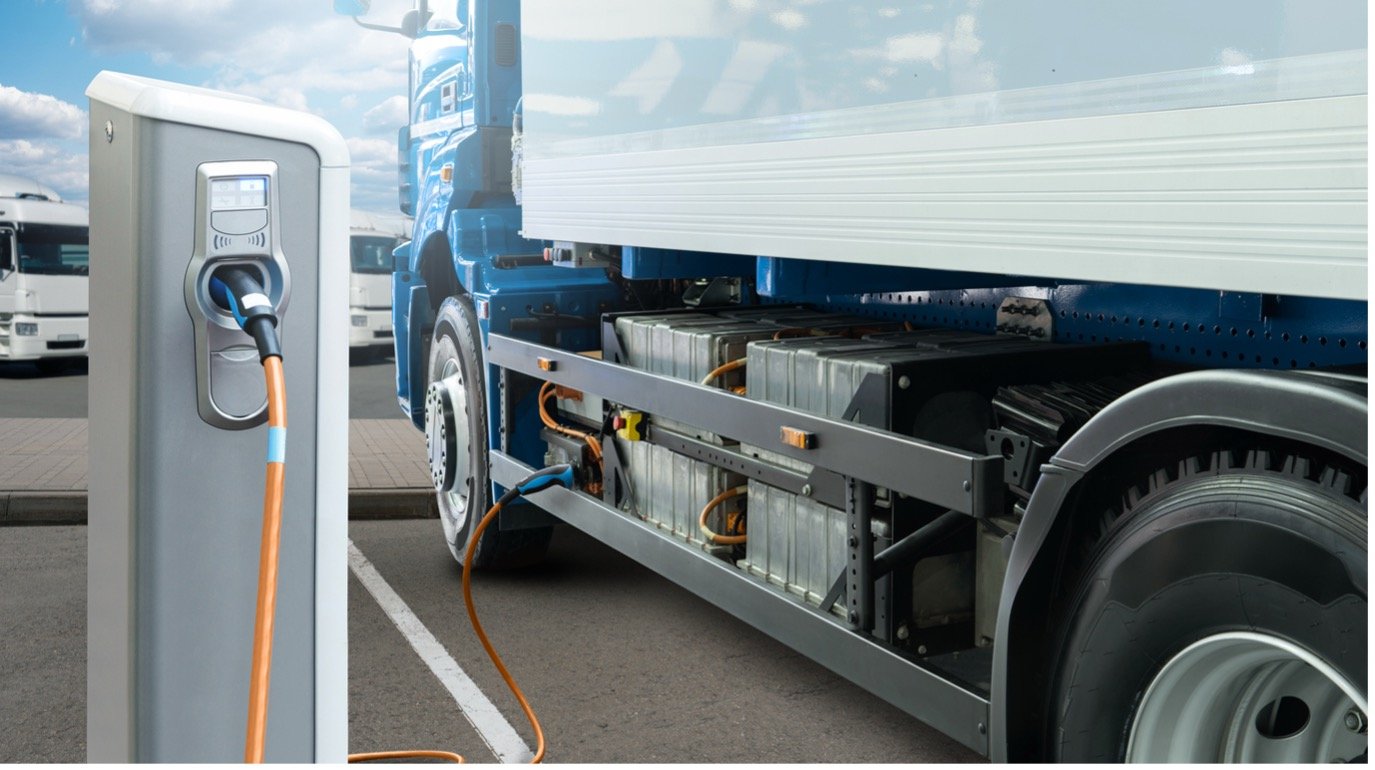
With organizations under growing pressure to control costs, improve efficiency, reduce emissions, and prepare for future growth, fleet electrification is increasingly becoming a strategic solution to meet those challenges. Not only is electrification changing how fleets operate, but it’s also changing how fleets are managed — especially when it comes to fuel management strategies.
With electrification, fleet managers are no longer solely focused on traditional fuel management tasks such as purchasing fuel at the best price, tracking usage, controlling fuel spend, and analyzing fuel data. Instead, they must now balance those responsibilities with a new set of priorities that are tied to keeping electric vehicles (EVs) powered and on the road. As a result, traditional fuel management evolves into a broader category — energy management — that now includes:
- Charging infrastructure
- Charging schedules
- Electricity costs
- Vehicle range
- Energy use data
The takeaway? New opportunities for mixed fleets and for those operating EVs and fuel-powered vehicles to control costs, improve efficiency, reduce emissions, and position themselves for future growth.
Wondering if electrification is the right move for your fleet operations? Here are five ways fleet electrification is reshaping fuel management strategies, and what that could mean for your fleet.
5 Ways Fleet Electrification Is Reshaping Fuel Management Strategies
1. Mixed Fleets Require a Dual Strategy
For most organizations, fleet electrification will be a transition rather than an overnight switch. Many fleets will operate a mix of fuel-powered vehicles and EVs for years to come.
For fleet managers, this requires balancing two energy systems at once. Fuel-powered vehicles will continue to rely on fuel cards and fueling networks, while EVs will require chargers, energy reporting, and battery performance monitoring.
To stay competitive, fleet managers must build strategies that bring fuel and electrification management together under one umbrella for “apples-to-apples” comparisons on cost, uptime, and performance.
2. Shift from Fuel Purchases to Energy Strategy
In a fuel-powered fleet, fueling is a straightforward process — drivers stop for fuel or vehicles are serviced by a mobile fueling provider. Fleet managers track fuel usage and analyze fuel data to look for ways to control costs, improve efficiency, and prevent misuse.
Keeping EVs powered and on the road is more complex than simply filling a tank. Fleet managers must consider:
- Where vehicles charge
- When vehicles charge
- How long charging takes
- How much energy is consumed
- Whether the charging methods being used are cost-effective
For mixed fleets, this means balancing traditional fuel purchasing strategies with new charging demands. Rather than simply managing fuel purchases, fleet managers must now oversee how energy is sourced, scheduled, and consumed across their operations. This creates new opportunities. For example, charging vehicles during lower-rate utility periods helps lower operating costs, while optimizing fuel use across the rest of the fleet.
3. Cost Management Gets an Upgrade
Fuel prices are often volatile, rising and falling with market conditions and making it challenging for fleet managers to gain greater control over costs.
Electricity costs involve more variables than fuel costs — including utility rate structures, charging times, demand charges, and charger usage patterns — all of which can influence total energy spend. More variables can mean more opportunities to save and better strategic decision-making.
For mixed fleets, those opportunities can be significant. Fleets can gain more control over total operating costs than they may have had with fuel alone, and make cost management less reactive and more proactive by:
- Planning charging schedules carefully
- Avoiding unnecessary peak demand
- Matching charger types to operational needs
- Deploying fuel-powered vehicles where they make the most sense
4. Charging Strategy Becomes an Operational Priority
Fueling a vehicle typically takes minutes. Charging an EV requires more planning. Depending on battery size and charger type, EVs may need several hours to fully recharge, making downtime and scheduling critical to efficiency and productivity.
Fleet managers must evaluate when EVs return to base, how long they remain parked, and when they need to be back on the road. They must also balance the availability of fuel-powered vehicles to keep operations running efficiently while EVs charge.
As a result, the charging strategy becomes just as important as route planning or maintenance scheduling. When managed well, EVs stay ready for service, fuel-powered vehicles are used strategically, and total energy costs remain under control.
5. Data Becomes More Valuable
Data has always been critical to fleet fuel management. Fuel reporting helps fleet managers:
- Track gallons purchased
- Monitor fuel spend
- Identify usage trends
- Measure fuel economy
- Spot unusual transactions that may indicate misuse or inefficiencies
When EVs are added to the mix, what changes is the amount of data available and how that data can be used. Fleets gain access to new metrics such as:
- Kilowatt-hour consumption
- Charging times
- Charging costs
- Battery state of charge
- Range performance
- Vehicle energy efficiency
When this data is combined with traditional fuel data and fleet management KPIs, fleet managers gain a much clearer picture of total operating costs across the fleet. For example, they can compare fuel-powered and electric vehicles on cost per mile, uptime, and route efficiency. They can identify which vehicles are the best candidates for electrification, what routes may need charging adjustments, and where diesel and gasoline vehicles are the better fit.
More data means better forecasting. Fleets can better project fuel and electricity spend, infrastructure needs, maintenance needs, and replacement planning based on real-world usage rather than assumptions.
Looking for more information on starting your fleet electrification journey? Download our roadmap here to learn how.
__________________________________________________________________________________
Fleet Electrification FAQs
What is fleet electrification?
Fleet electrification is the process of transitioning from internal combustion vehicles to electric vehicles or EVs. The goal of electrification typically encompasses reducing fuel and maintenance costs, addressing sustainability goals, and lowering carbon emissions.
How do you plan for fleet electrification?
Planning for fleet electrification starts with defining your electrification goals. These goals can include lowering the total cost of ownership, reducing emissions, complying with regulatory mandates, and more. Once this is defined, you can move forward with collecting vehicle operating data, identifying EV candidates, and developing your electrification roadmap. We cover the seven steps of creating a fleet electrification strategy here.