Avoid These 5 Costly Construction Fueling Mistakes
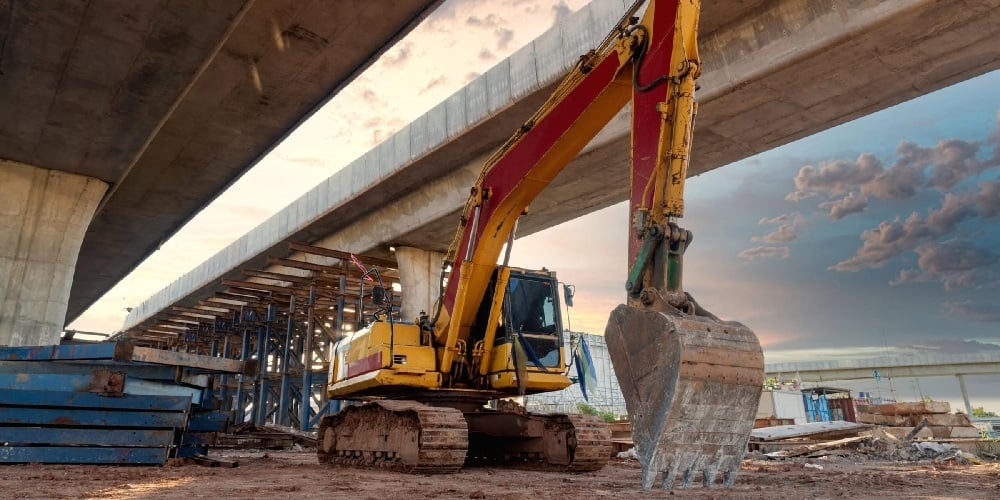
Construction fueling mistakes can lead to significant financial losses, equipment damage, safety incidents, and costly project delays. From using contaminated fuel to failing to track consumption, small oversights can create bigger problems when they’re not addressed promptly. These issues are particularly challenging on busy construction sites, where equipment depends on a consistent fuel supply to keep work moving.
Proper fueling practices and reliable fuel management can help contractors reduce avoidable losses and keep operations running smoothly. This article examines five common construction fueling mistakes and practical ways to avoid them.
1. Using the Wrong Fuel or Overlooking Fuel Quality
Buying fuel from unverified suppliers to cut costs can expose contractors to adulterated diesel or fuel that fails to meet required quality standards. When contaminated diesel or fuel is used, it can affect engine performance, thereby damaging fuel system components and increasing maintenance costs.
Depending on the severity of the damage, equipment may require costly repairs or component replacements, resulting in downtime and delays to construction activities. These interruptions can also affect other tasks that depend on the unavailable machinery, making it harder for contractors to maintain planned project schedules.
How to Avoid It
- Confirm the manufacturer’s requirements in order to avoid using incompatible fuel that could damage the engine or its fuel system.
- Inspect fuel deliveries for signs of contamination before accepting or transferring fuel into storage tanks.
- Maintain proper fuel storage conditions by keeping tanks sealed and inspecting them regularly. Protect stored fuel from water and debris to preserve its quality.
2. Refueling Equipment Unsafely
Refueling equipment near ignition sources or failing to follow shutdown procedures increases the risk of fires, injuries, and work disruptions. This often happens when workers rush to resume production activities and overlook safety requirements during refueling.
The consequences of skipping these precautions can extend beyond equipment damage and costly repairs to serious injuries or even loss of life.
How to Avoid It
- Always follow manufacturer instructions and required shutdown procedures before refueling. Ensure that equipment is safely stopped and that ignition sources are controlled according to site safety requirements.
- Train workers in safe refueling and spill-response procedures. Staff should understand how to handle fuel properly, identify potential hazards, and respond to spills or other emergencies.
3. Overfilling Tanks and Ignoring Spills
Overfilling fuel tanks or leaving dispensing equipment unattended can waste fuel and create environmental and safety hazards. This often happens when workers fail to monitor fuel levels during refueling, enabling fuel to overflow before anyone notices.
When these spills happen repeatedly, cleanup costs rise, and workers and the surrounding environment face greater exposure and contamination risks.
How to Avoid It
- Monitor fuel levels throughout refueling to prevent tanks from overflowing. Never leave dispensing equipment unattended.
- Inspect hoses and nozzles regularly for leaks, cracks, or damaged connections. Repair or replace faulty equipment before further use.
- Keep suitable spill-response materials available at fueling locations. Train workers to contain and report spills promptly, following site procedures and applicable environmental requirements.
4. Storing Fuel Improperly
Using unsuitable containers or storing fuel in unsafe locations increases the risk of leaks and fires on construction sites. Spills can damage nearby equipment and create additional safety hazards. In addition, when storage areas aren’t properly secured, fuel becomes vulnerable to theft, resulting in unexplained inventory losses and higher operating costs.
How to Avoid It
- Use approved fuel containers and designated storage areas that meet applicable safety requirements. These will help keep fuel in suitable conditions while reducing the risk of leaks, accidental spills, and fires.
- Inspect storage tanks regularly for cracks, corrosion, and damaged fittings, as these defects can cause leaks and lead to fuel losses. Addressing them promptly also helps prevent minor faults from developing into more serious safety hazards.
- Secure fuel storage areas against unauthorized access, especially on busy construction sites where workers and contractors move around. Restricting access to designated personnel and maintaining records of fuel received and dispensed also helps identify theft and unexplained inventory losses.
5. Failing to Track Fuel Use and Plan Refueling
Without accurate fuel records, contractors may struggle to identify unusual consumption, fuel theft, and waste across construction sites. Without clear information on how quickly fuel is being used, contractors may misjudge replenishment needs and schedule deliveries too late. This can leave equipment idle while workers wait for fuel, thus disrupting project schedules and increasing operating costs.
How to Avoid It
- Track fuel deliveries and equipment consumption to maintain a clear record of fuel received and used. Comparing these figures helps contractors spot discrepancies and identify potential losses before they become costly.
- Investigate unusual fuel consumption by reviewing equipment usage, operating hours, and transaction records. This helps contractors determine whether higher usage stems from operational demands, waste, or possible fuel theft.
- Schedule fuel deliveries according to current inventory, expected consumption, and delivery lead times. This way, contractors can replenish supplies before they run low, reducing the risk of equipment downtime and project delays.
How PS Energy Group Supports Construction Fueling
Many construction fueling mistakes are preventable with a dependable fuel supply, proper planning, and better visibility into fuel usage. PS Energy Group offers the following services to support construction fueling operations.
Bulk Fuel Delivery
PS Energy Group delivers bulk fuel to construction sites, helping contractors maintain adequate supplies for their equipment. Coordinating deliveries with expected demand helps reduce the risk of shortages caused by poor replenishment planning.
Mobile Fueling
Mobile fueling delivers fuel directly to equipment or designated locations on construction sites. This reduces the need to move machinery to off-site refueling points and helps contractors coordinate refueling around site operations.
Fuel Cards
Fuel cards help contractors manage fuel purchases and maintain transaction records. These records support fuel spending reviews and help contractors investigate unusual transactions that could indicate unexplained losses.
Tank Monitoring
Tank monitoring solutions provide visibility into available fuel levels, helping contractors track inventory and plan replenishment. This directly addresses poor fuel tracking and refueling planning by helping teams identify when supplies need replenishing.
Together, these services help contractors manage fuel supplies, monitor consumption, and reduce disruptions caused by fuel shortages.
Final Note
Avoiding construction fueling mistakes starts with using the right fuel, following safe refueling procedures, maintaining suitable storage, and keeping accurate fuel records. By putting these measures in place, contractors can reduce preventable losses and keep equipment supplied throughout the project.
Discover how fuel management solutions from PS Energy Group can revolutionize your operational workflows and reduce costs. With real-time data and automation, you can make faster, more informed decisions to keep your fleet running smoothly. Contact us today to learn how our platform can be tailored to your needs and help you achieve your operational goals.